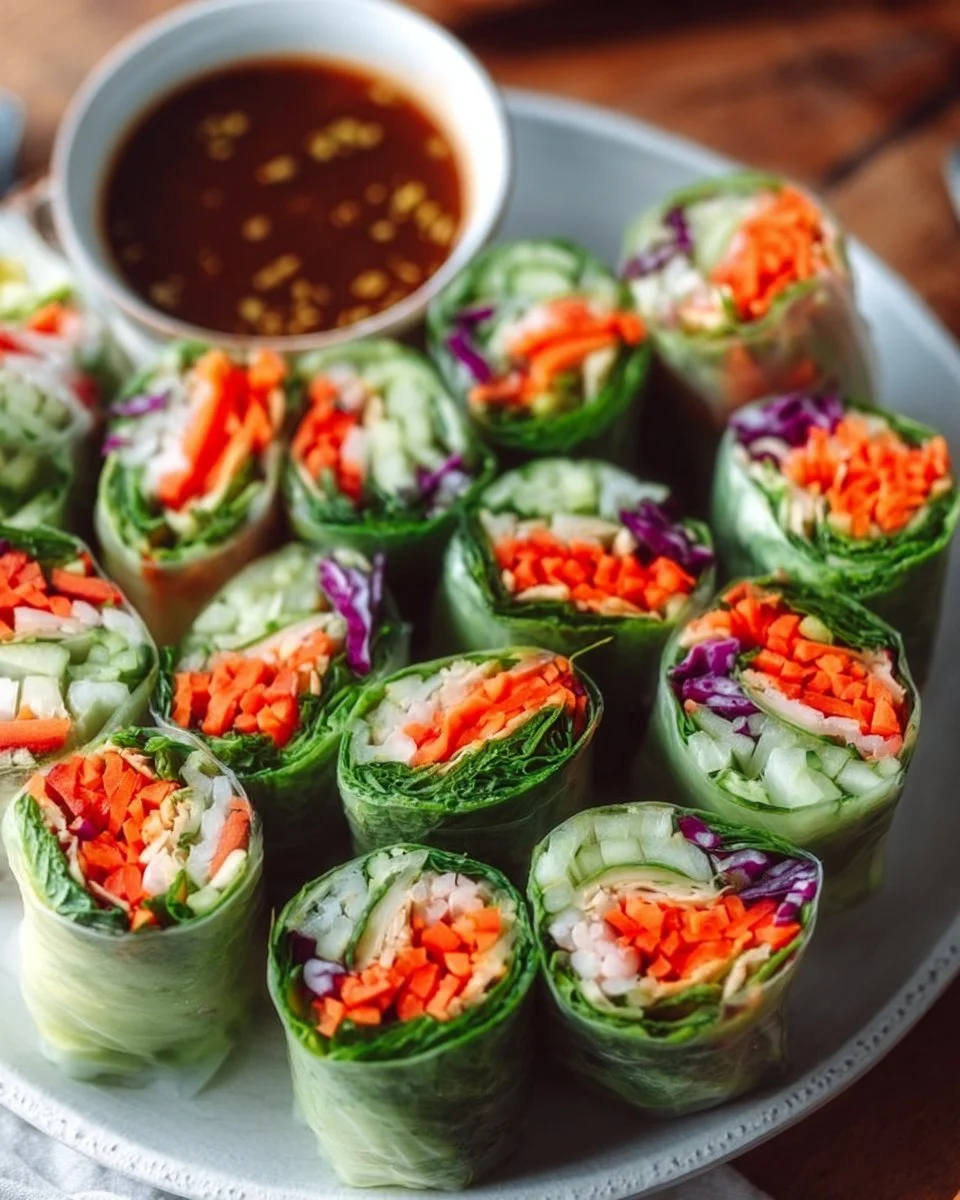
Imagine the sun shining while you sink your teeth into a crisp, vibrant vegetable spring roll. Each bite bursts with freshness, the crunch of crisp vegetables mingling with the invigorating aroma of fresh herbs. As you dip it into a tangy sauce, the flavors harmonize and dance on your palate, beckoning you to devour another. The sheer joy of a homemade spring roll captivates all the senses, adding a delightful touch to any meal or gathering.
Creating these delightful morsels at home transforms an ordinary day into something extraordinary. Picture yourself gathering the freshest ingredients, chopping, and rolling your way to culinary satisfaction. With each vegetable carefully selected, you witness the vivid colors blending seamlessly—a palette of nature on your dining table. The crisp, tender wrappers embrace the luscious filling, creating an enticing package of flavor that invites everyone to share in your delight.
Why You’ll Love This Recipe for Vegetable Spring Rolls
Vegetable spring rolls stand out for their versatility and vibrant flavors. Each roll bursts with an array of colors and textures, making them not only a visual feast but also a culinary pleasure. The medley of crunchy vegetables, aromatic herbs, and the rich blend of sauces provides an explosion of taste that satisfies without weighing you down.
These spring rolls shine at various occasions—from lively summer gatherings to cozy family dinners. They serve perfectly as appetizers, snacks, or even healthy meals alongside a rich dipping sauce. With their light yet satisfying quality, they appeal to all diets, making them a fantastic choice for vegans and meat lovers alike, especially when you customize them with shrimp or chicken. Not only are they delicious, but they’re also incredibly nutritious—a delicious, guilt-free way to indulge.
Preparation Phase & Tools to Use
To create your vegetable spring rolls, you’ll need just a few essentials in your kitchen. Here’s what to gather for a seamless cooking experience:
- Cutting board and knife: A solid cutting surface ensures clean, precise cuts for your vegetables.
- Mixing bowl: Use this for soaking the spring roll wrappers in warm water. This simple step, though, is crucial for achieving the perfect pliability.
- Clean surface or mat: Place your wrappers on a flat surface to roll them smoothly. A silicone mat works wonders to prevent sticking.
- Dipping sauce bowls: Small bowls for serving your favorite sauces elevate the experience and invite your guests to dive in.
Preparation Tips:
- Choose vegetables that offer a mix of colors and crunch. Think carrots, bell peppers, and cucumbers.
- Prepare all your ingredients before starting to roll; it streamlines the process and keeps you organized.
Ingredients for Vegetable Spring Rolls
- Spring roll wrappers: These delicate sheets form the canvas for your rolls. Rice paper wrappers are commonly used, providing a light and chewy base.
- Assorted vegetables: Carrots, bell peppers, cucumbers, and lettuce each lend unique textures, with carrots offering a sweet crunch and cucumbers a refreshing bite.
- Fresh herbs: Cilantro and mint add an aromatic, fragrant element that brightens each bite.
- Soy sauce: Use this for that umami flavor, enhancing the roll’s richness.
- Rice vinegar: A splash of tangy rice vinegar provides the perfect acidity to balance the flavors.
- Sesame oil: This nutty oil adds depth and character, rounding out the taste of the rolls.
- Optional additions: Consider adding cooked shrimp or chicken for a protein-packed variation, satisfying any meat lover’s cravings.
Key Ingredient Substitutions:
- If rice paper isn’t available, use thin tortillas or lettuce leaves for a different take.
- Substitute vegetables based on seasonal availability or personal preference; zucchini and sprouts make great options.
How to Make Vegetable Spring Rolls
- Prepare the vegetables: Julienne the carrots and other vegetables into thin strips, maximizing their crunch and flavor.
- Soak the spring roll wrappers: Fill a bowl with warm water and soak each wrapper briefly until it becomes pliable. Avoid over-soaking, as it can lead to a mushy texture.
- Layer your fillings: Lay a soaked wrapper on a clean surface. Starting from the bottom, arrange a small amount of your prepared vegetables and a few sprigs of herbs at the center.
- Season your mixture: Drizzle a teaspoon of soy sauce, rice vinegar, and sesame oil over the vegetables for added flavor.
- Roll it up: Carefully fold the bottom of the wrapper over the filling, then fold in the sides, rolling firmly but gently to secure the contents. Ensure it’s snug but not too tight, allowing for slight expansion.
- Repeat: Continue this process until you’ve used all your ingredients, taking in the comforting scents that fill your kitchen.
- Serve: Arrange your beautiful rolls on a platter alongside an assortment of dipping sauces like sweet chili or peanut sauce.
Chef’s Notes & Helpful Tips
- Make-ahead: You can prepare the vegetables a day in advance and store them in an airtight container in the fridge for quick assembly when you’re ready to serve.
- Cooking alternatives: Try cooking the rolls in an air fryer for a crispy, healthier version, or bake them in an oven at 375°F (190°C) for a few minutes until they turn golden brown.
- Customization ideas: Don’t hesitate to experiment with different vegetable combinations or sauces. Adding avocado provides a creamy twist, while shredded cabbage adds extra crunch.
Common Mistakes to Avoid
Avoid soggy rolls by not soaking the wrappers for too long. Over-soaking leads to tears during rolling. Instead, soak them just until they become pliable. Another mistake is overcrowding your rolls; too much filling can make them difficult to close. Start with a small amount and add more as you gain confidence in your rolling technique.
What to Serve With Vegetable Spring Rolls
- Sweet chili sauce: A tangy dip that complements the fresh flavors of the rolls.
- Peanut sauce: Creamy and nutty, this sauce adds a rich element.
- Soy sauce with ginger: A classic pairing that enhances the umami taste.
- Miso soup: A warm, savory soup balances the freshness of the spring rolls.
- Rice noodles or salad: Create a full meal with a side of noodles or fresh salad.
- Sushi rolls: Pair these with Japanese favorites for a delightful fusion.
- Edamame: These tender soybeans make a lovely, healthy snack alongside.
- Fruit salad: A refreshing fruit medley enhances the lightness of the rolls.
Storage & Reheating Instructions
Store any leftover spring rolls in an airtight container in the fridge for up to 2 days. Enjoy them cold or at room temperature. For reheating, use a microwave for a few seconds, but note that they are best enjoyed fresh. You can also store unassembled wrappers and fillings separately, which keeps ingredients fresher longer until you’re ready to roll!
Estimated Nutrition Information
Approximate Values per Serving (1 roll):
- Calories: 150
- Protein: 3g
- Fat: 6g
- Carbohydrates: 20g
- Fiber: 2g
Note: Values may vary based on specific ingredients used and serving sizes.
FAQs
Can I make vegetable spring rolls ahead of time?
Absolutely! You can assemble them and keep them wrapped in a damp cloth in the fridge for a few hours. However, for the best texture, enjoy them fresh.
What can I use instead of shrimp or chicken?
For a vegetarian option, try adding tofu or tempeh for a protein boost. Cooked lentils can also work wonderfully in place of meat.
Can I freeze spring rolls?
Yes! Freeze uncooked rolls on a baking sheet, then transfer them to a freezer-safe bag. They can last for about a month. When you’re ready to eat, cook them directly from frozen, increasing cook time.
Are spring rolls gluten-free?
Most rice wrappers are gluten-free, but always check the packaging to be sure, especially if you have sensitivities. Use tamari or a gluten-free soy sauce for dipping.
What’s the best way to cook them if I want a crunchy texture?
Try frying them in hot oil until golden brown for a crispy sensation that contrasts beautifully with the fresh fillings.
Conclusion
As you wrap up your culinary adventure in making vegetable spring rolls, the world opens to you in vibrant flavors and fresh textures. This dish embodies the joy of cooking—bringing together the freshest ingredients for a light yet satisfying experience. Encourage your friends and family to join you in rolling these delightful creations; it becomes a shared art that tantalizes taste buds and warms hearts. So go ahead, take that leap, and bring a touch of deliciousness to your kitchen with these fresh and colorful vegetable spring rolls!
Print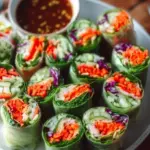
Vegetable Spring Rolls
- Prep Time: 15 minutes
- Cook Time: 5 minutes
- Total Time: 20 minutes
- Yield: 8 servings
- Category: Appetizer
- Method: Rolling
- Cuisine: Asian
- Diet: Vegetarian
Description
Crisp and vibrant vegetable spring rolls bursting with freshness, perfect for any occasion.
Ingredients
- Spring roll wrappers
- Assorted vegetables: Carrots, bell peppers, cucumbers, lettuce
- Fresh herbs: Cilantro, mint
- Soy sauce
- Rice vinegar
- Sesame oil
- Optional: Cooked shrimp or chicken
Instructions
- Prepare the vegetables: Julienne the carrots and other vegetables into thin strips.
- Soak the spring roll wrappers in warm water until pliable.
- Layer your fillings on a soaked wrapper, placing them at the center.
- Season the mixture with soy sauce, rice vinegar, and sesame oil.
- Roll it up gently, ensuring the filling is snug.
- Repeat until all ingredients are used.
- Serve the rolls on a platter with dipping sauces.
Notes
Customize with different veggies or proteins like tofu for a vegetarian variant.
Nutrition
- Serving Size: 1 roll
- Calories: 150
- Sugar: 3g
- Sodium: 300mg
- Fat: 6g
- Saturated Fat: 1g
- Unsaturated Fat: 5g
- Trans Fat: 0g
- Carbohydrates: 20g
- Fiber: 2g
- Protein: 3g
- Cholesterol: 0mg